
Chaff Cutter Manufacturer in India – Toka, 2HP/3HP & Subsidy Approved
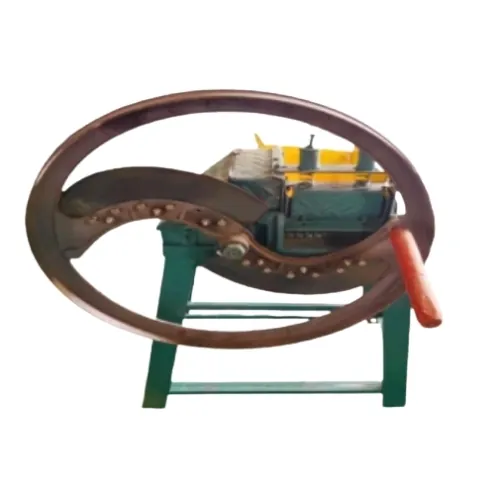
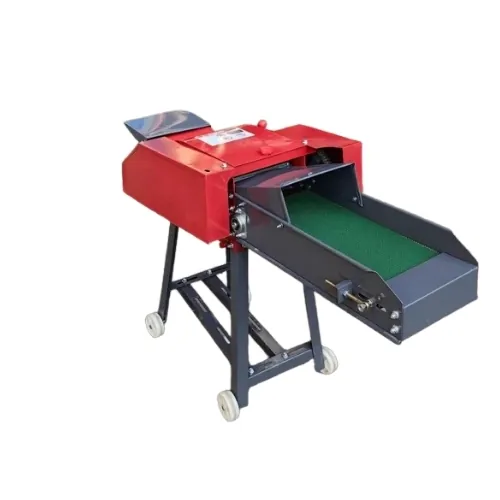
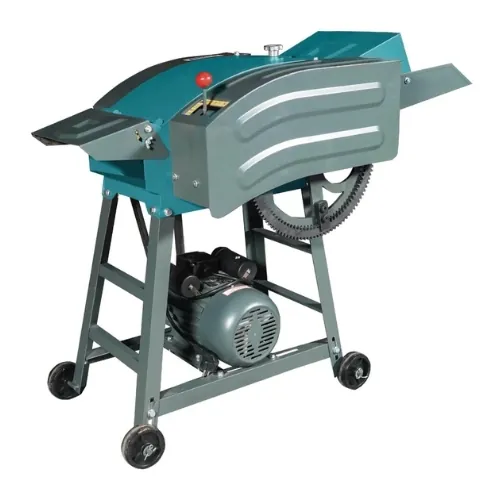
VGT India manufactures Toka-type chaff cutters (also called Kutti machines in Hindi) for dairy farms, gaushalas and livestock feed processing across India. Our range spans 2HP, 3HP and 7.5HP motor models, hand-operated manual cutters, petrol-engine cutters for off-grid farms, and conveyor-belt-fed industrial cutters for commercial dairies. Multiple models in our line are subsidy approved under Gujarat’s iKhedut portal and the central SMAM scheme, letting registered farmers claim up to 50% off the machine price. Manufactured in Ahmedabad with pan-India delivery and export to Bangladesh, Nepal and East Africa.
Showing all 16 resultsSorted by latest
Sort:

17%

23%

19%
15%
16%
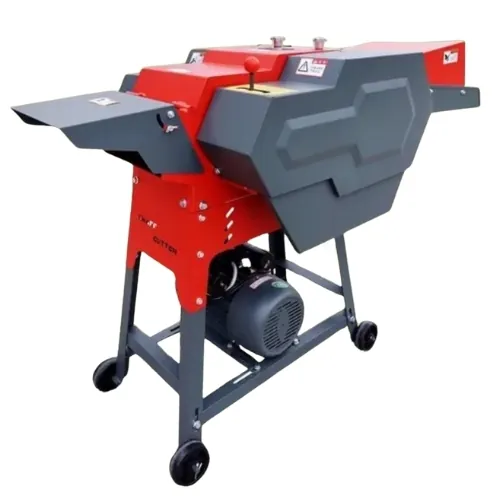
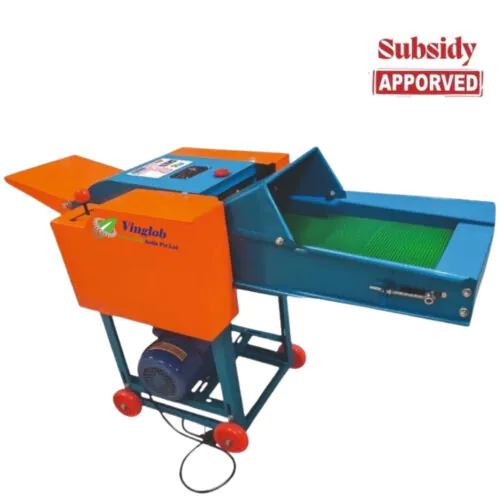
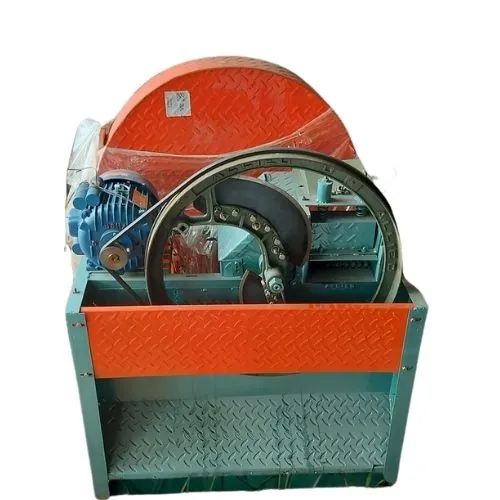
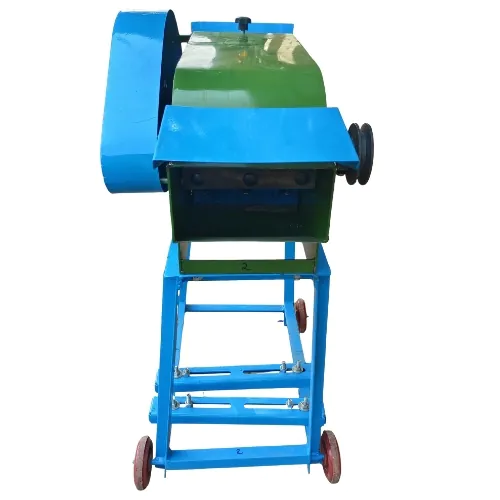
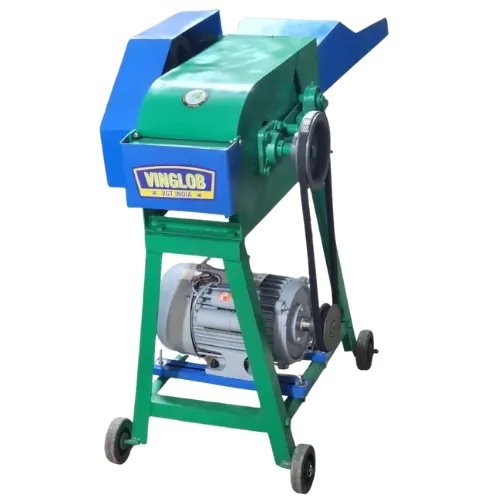
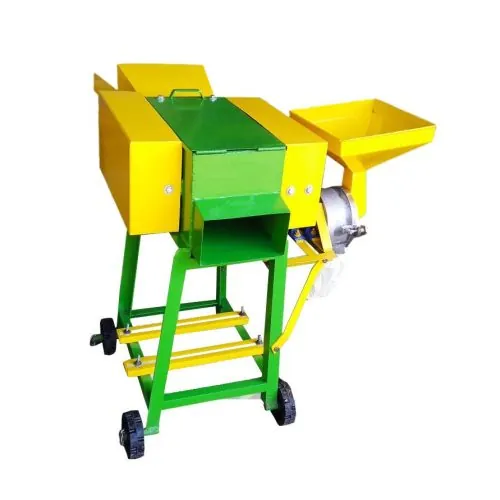
Chaff Cutter With 3HP Motor
In Stock
19%

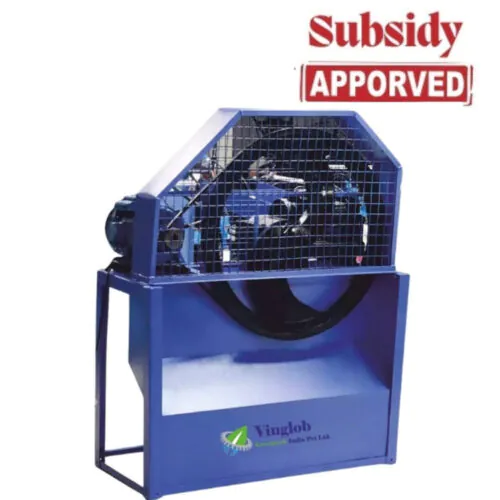
BLOWER TYPE CHAFF CUTTER 3Hp Motor
In Stock
Buyer Help
Frequently Asked Questions about Chaff Cutter
What is a chaff cutter used for?
A chaff cutter, also called a toka machine, cuts dry and green fodder such as straw, hay, sugarcane tops and grass into small pieces so cattle and buffalo can eat and digest it easily with less wastage.
What is the difference between a 2HP and 3HP chaff cutter?
A 2HP chaff cutter suits small dairy farms with a few animals and lower daily fodder needs. A 3HP model cuts faster and handles higher volumes, making it better for medium farms and gaushalas.
Manual or electric chaff cutter - which is better?
A manual chaff cutter is low-cost and works without electricity, ideal for very small or off-grid farms. An electric chaff cutter is faster and less tiring, suited to daily use on small and medium dairy farms.
How many kg per hour does a chaff cutter cut?
Output depends on the model. A small 2HP electric chaff cutter cuts around 200 to 400 kg per hour, while heavy-duty 7.5HP petrol and conveyor-belt models can cut 700 to 1000 kg per hour or more.
How do I choose a chaff cutter?
Match the motor power to your herd size and daily fodder volume, decide between electric and petrol based on power availability, and check whether a subsidy-approved model is available under the iKhedut or SMAM schemes.
How do I clean a chaff cutter blade?
Switch off and unplug the machine, remove fodder residue from the blades and chute, wipe the blades dry to prevent rust, and apply a light coat of oil. Sharpen the blades periodically for clean cuts.